You know that feeling. The virus itself is gone—or at least, the acute phase is. But you’re left with a deep, unshakable exhaustion that coffee can’t touch and sleep doesn’t fix. Brain fog feels like a permanent fixture. This is the reality of post-viral fatigue syndromes, and honestly, it can be incredibly isolating.
While there’s no magic pill, what you put on your plate can be a powerful tool. It’s not about a single “miracle” food. It’s about strategic, gentle nourishment. Think of your body like a bank account that’s been severely overdrawn. The goal of dietary management here is to make consistent, small deposits to rebuild your energy capital, not to make big, flashy withdrawals.
Understanding the Energy Crisis
First, let’s get a handle on what we’re dealing with. Post-viral fatigue isn’t just “being tired.” It’s a complex disruption often involving mitochondrial dysfunction (those are the tiny power plants in your cells), widespread inflammation, and a nervous system stuck in overdrive. Your digestion might be off, too. So the food strategies that work aren’t about brute force energy—they’re about supporting these delicate, damaged systems.
Core Dietary Principles for Fatigue Recovery
Here’s the deal. You need to focus on foods that fight inflammation, support cellular energy production, and are easy to digest. It sounds like a tall order, but it boils down to a few key shifts.
- Anti-inflammatory Focus: Chronic inflammation is a huge energy drain. Prioritizing foods rich in omega-3s and antioxidants is non-negotiable.
- Mitochondrial Support: Your mitochondria need specific nutrients to churn out ATP (your body’s energy currency). B vitamins, magnesium, CoQ10—they’re like high-quality fuel and mechanics for those cellular engines.
- Gut-Brain Connection: A huge portion of your immune system and neurotransmitters are in your gut. A happy gut often means better energy and clearer thinking. It’s all connected.
Foods to Embrace: Your Nutritional Toolkit
Let’s dive into the practical stuff. What should you actually eat? Well, aim for a rainbow on your plate, but a gentle, easily digestible one.
| Food Category | Why It Helps | Easy Examples |
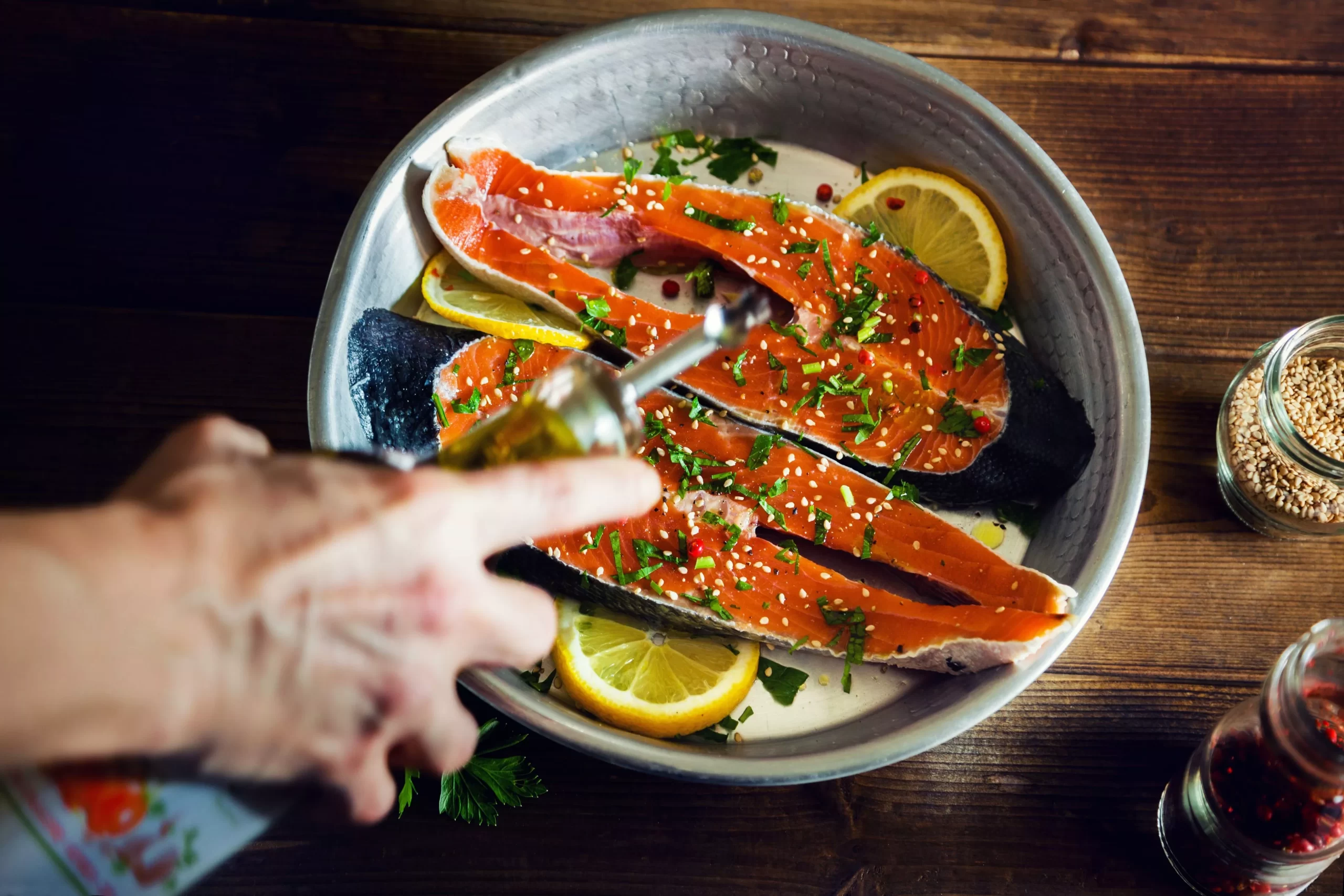
| Fatty Fish | Packed with omega-3s (EPA & DHA) to directly combat inflammation. | Wild-caught salmon, sardines, mackerel. |
| Colorful Vegetables | Antioxidants quench inflammatory fires and protect cells. | Spinach, sweet potatoes, bell peppers, beets. |
| Quality Proteins | Provides amino acids, the building blocks for repair and neurotransmitters. | Lentils, eggs, chicken, tofu. |
| Complex Carbohydrates | Offers steady glucose—the brain’s primary fuel—without spikes. | Oats, quinoa, squash, berries. |
| Healthy Fats | Supports brain function and helps absorb fat-soluble vitamins. | Avocado, olive oil, nuts & seeds (if tolerated). |
A quick note on preparation: when you’re in a crash, cooking feels like running a marathon. That’s okay. Steam veggies instead of roasting them. Use a slow cooker. Opt for pre-chopped frozen options. Be kind to your future self.
Foods to Approach with Caution (or Avoid)
This part is tough, because these are often the “comfort” foods we reach for. But honestly, they can be like pouring gasoline on the inflammatory fire.
- Added Sugars & Refined Carbs: They cause blood sugar rollercoasters, leading to energy crashes and more inflammation. Check labels—sugar hides everywhere.
- Processed Foods: High in unhealthy fats, additives, and salt. They offer little nutritional value and stress the body’s detox pathways.
- Excessive Caffeine: It might feel necessary, but it can overstimulate a wired-yet-tired nervous system and disrupt sleep—the very thing you need most.
- Alcohol: It’s a central nervous system depressant, disrupts sleep architecture, and burdens the liver. For now, it’s likely not your friend.
The Elimination Diet Question
Many people with post-viral fatigue develop new food sensitivities. Gluten and dairy are common culprits. If you suspect this, a short, structured elimination diet—under guidance from a dietitian or doctor—can be revealing. It’s not forever, just a detective mission. Removing a food that’s causing low-grade inflammation can sometimes lead to a noticeable shift in energy and brain fog.
Practical Tips for the Tough Days
On the days when standing at the stove is impossible, you need a plan. Here’s a simple, numbered approach for severe fatigue management through diet.
- Hydrate First Thing: Keep a bottle of water by your bed. Sip before you even get up. Dehydration magnifies fatigue.
- Prep Simple Snacks: Have ready-to-eat options: hard-boiled eggs, nut butter packets, pre-cut veggie sticks, or a quality protein shake.
- Batch Cook & Freeze: On a better day, make a big pot of soup or stew and freeze it in portions. It’s a lifesaver.
- Listen to Your Body: If something sounds unappealing or makes you feel heavy/bloated, trust that. Your body is giving you data.
And remember—perfection is the enemy of progress. A perfect diet stressed over is worse than an imperfect one eaten in peace.
The Bigger Picture: Patience and Persistence
Dietary changes for post-viral fatigue are a marathon, not a sprint. You might not feel a difference for weeks. That’s normal. You’re replenishing deep deficits, not masking symptoms.
Consider working with a registered dietitian who understands chronic fatigue. They can help you personalize this, check for nutrient deficiencies (common after illness), and ensure you’re not missing anything crucial.
In the end, it’s about using food as one of your foundational supports. A gentle, consistent way to tell your body, “I’m here for you. Let’s rebuild.” It’s a quiet act of hope on a plate, meal by meal, day by slowly improving day.